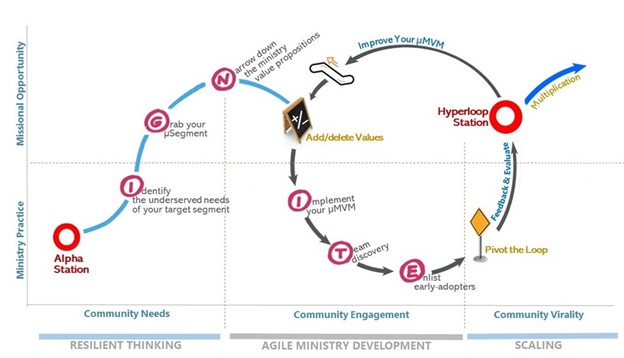
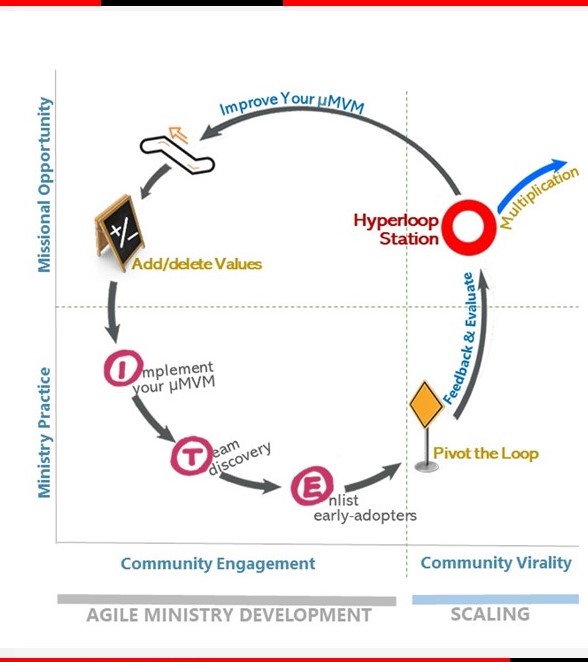
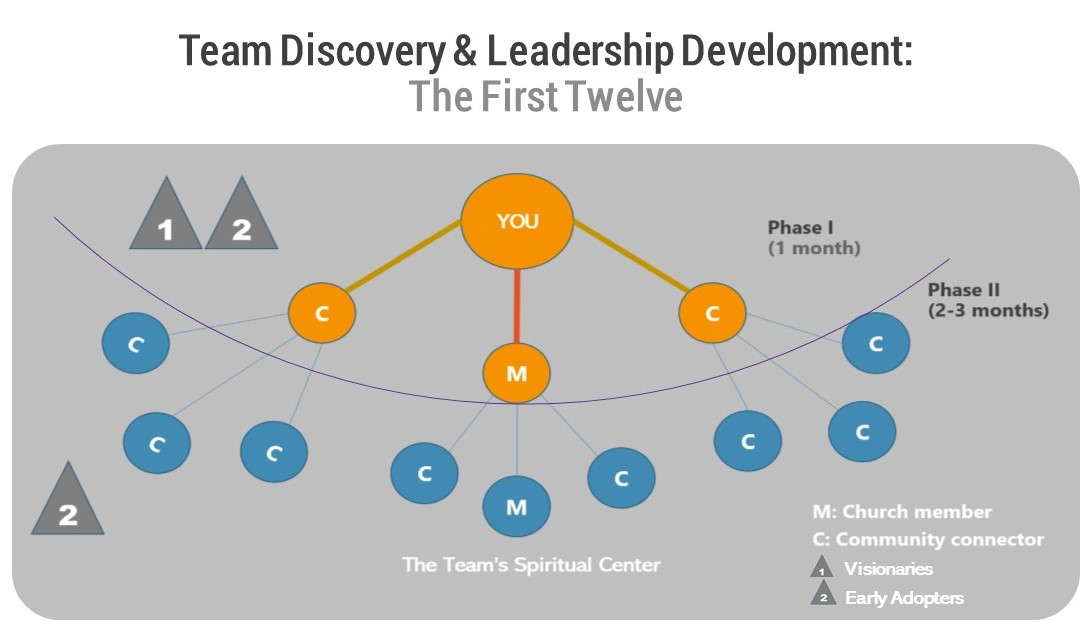
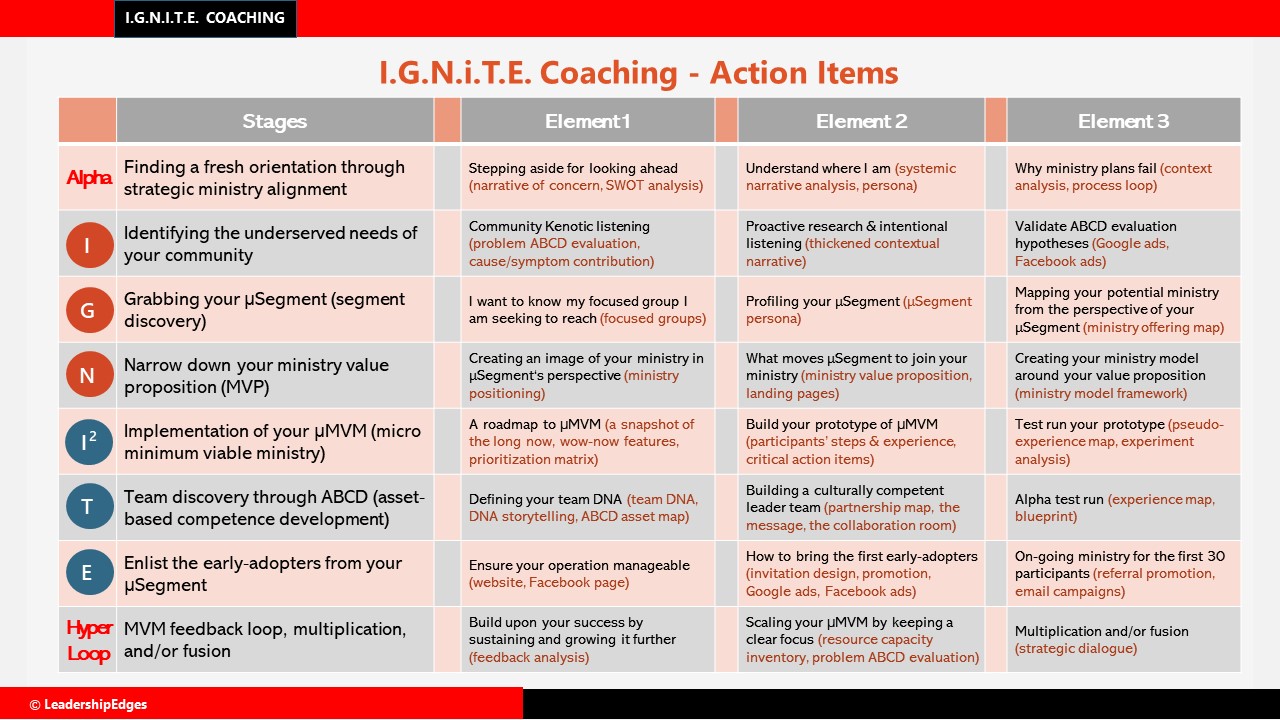
When the first round of The Loop is successfully executed, your ministry team with the First-Twelve members is now activated to run your ministry as they participate in enlisting focused early adopters.
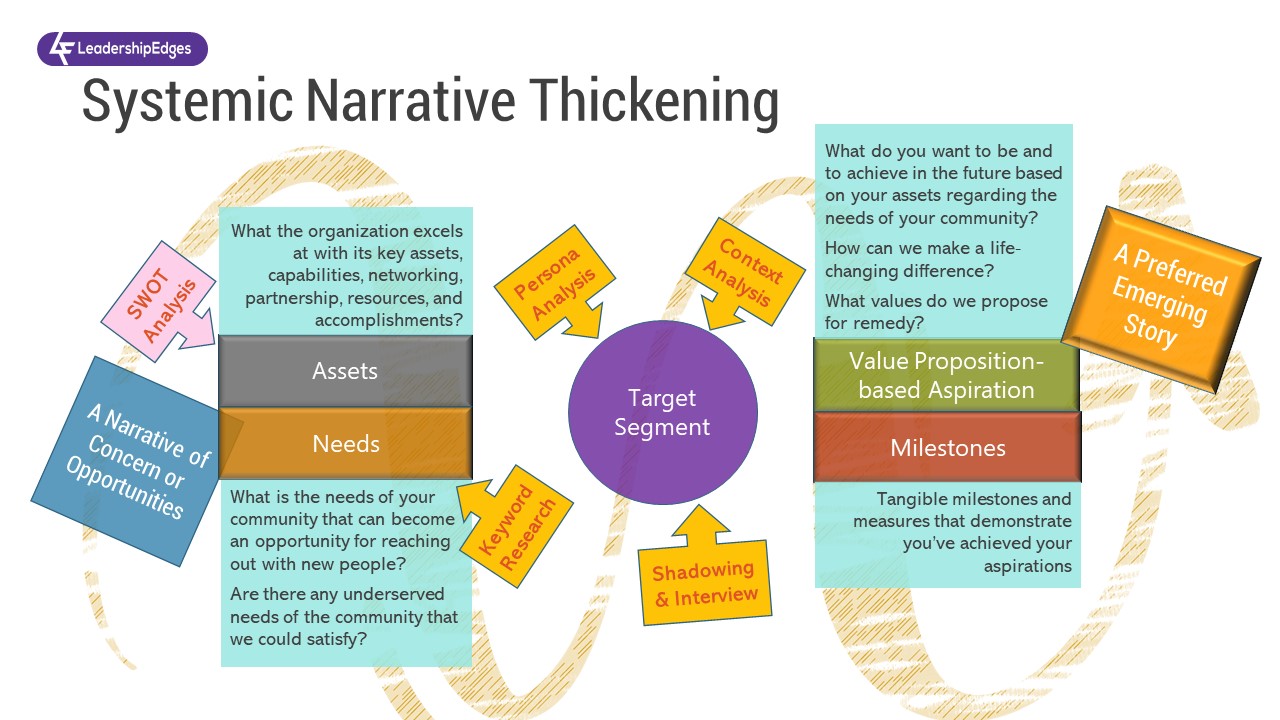
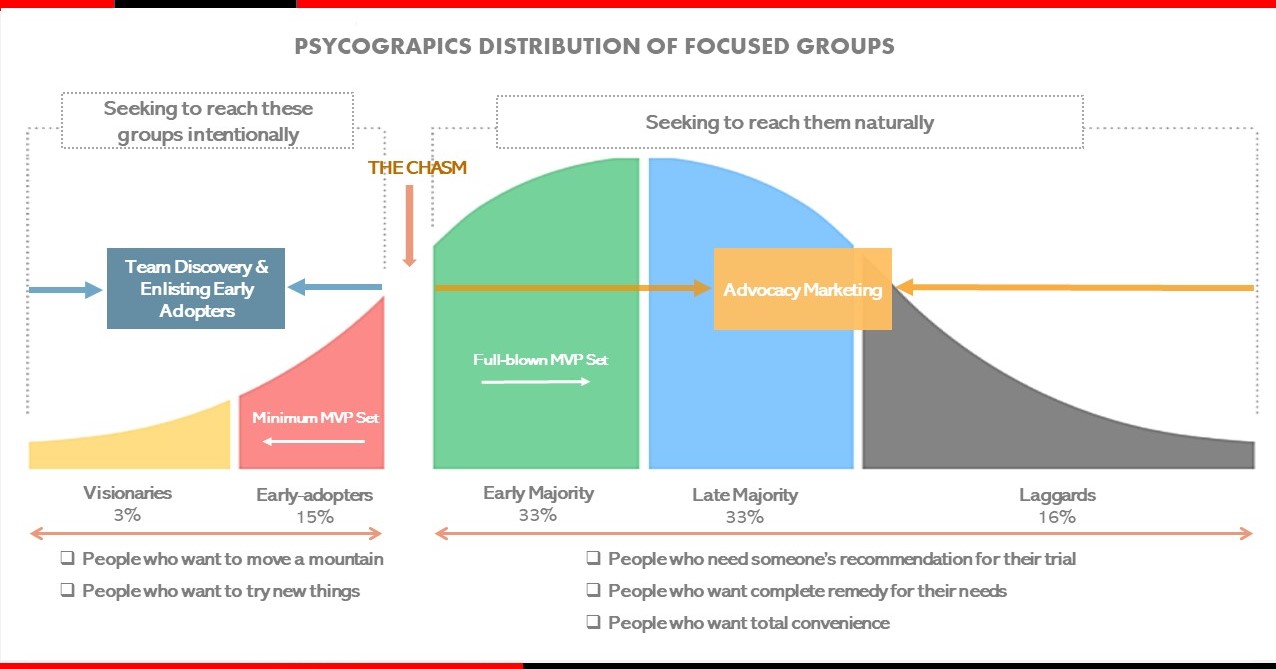
One of the crucial insights in this innovation space is for the team to understand compelling reasons to join (“CRTJ”). Most people believe they are related to the purpose of your ministry. Most times, it is not. People are motivated by recognizing a discrepancy between reality and the desired state. The recognition is a need to change. Whether it is sometimes apparent and other times more latent depends on your µSegment faces and how that situation can be improved when they join your project. In other words, the CRTJ is based on specific circumstances motivating your µSegment to join—not ministry attributes. We coach you on how to stimulate the desire for change by developing the CRTJ for your ministry. What messages do you need to construct for meaningful and relevant communications with people of various CRTJs? What channels are there available to reach each CRTJ group? You will be encouraged to study the focused group’s psychographics and use some of their obvious behavioral patterns to explore your options when answering the above critical questions.
We also provide technological platforms, solutions, and methods, including your up-to-date website, landing pages, and private social network, to make your outreach endeavors possible and practical with those thriving in the culture with technologies at its center.
Feedback collection from those who joined your ministry is a must for successfully pivoting the following round of The Loop by analyzing feedback to explore any false assumptions hidden in your ministry development. Rectifying your current MVP and creating the Experience Maps of as many participants before your revisit to Impact and Effort Matrix Analysis would increase your ministry’s relevance to the actual needs of your target segment. The Experience Map allows you to see your ministry through the actual participants’ eyes, including team members. It further helps determine which additional value propositions should be included or omitted in the next round of implementation. This innovation space’s bottom line is to evaluate, pivot, and scale your ministry for the next round of The Loop.

Looping back into the Loop with the culturally competent ministry team and MVP, which has been actualized through the feedback analysis, is not the same as the first Loop. It is a Hyper-Loop experience! Your ministry is to be executed in another dimension. The tipping point in ministry growth is no longer its size but the cultural competencies to enlist early adopters from its communities, thriving in the digital culture, and eventually growing into a faith community.
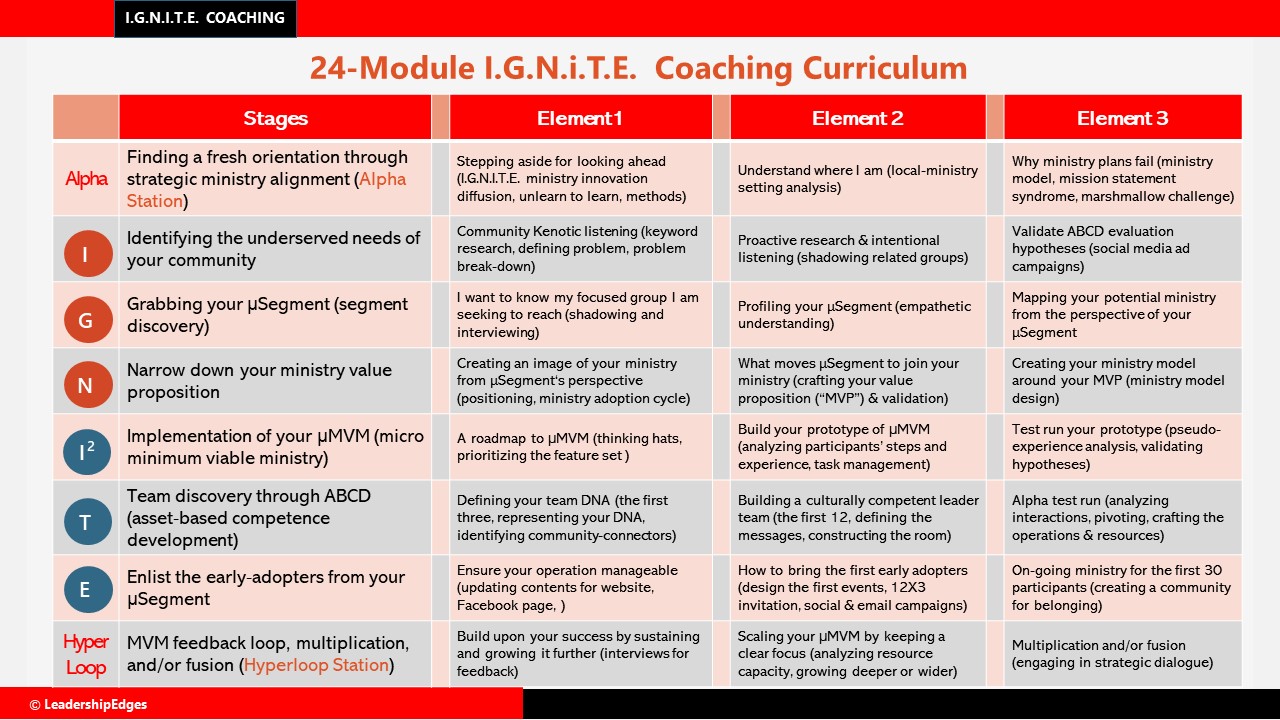
No more than three Hyper-looping is recommended before your ministry development sets out into a normal ministry life cycle. This recommendation is that it is hard to keep up with the values of a Christian community when it grows too fast with new people, possibly unchurched ones. It takes time to develop a character. Resilience and performance are crucial when mobilizing your stagnant church. I.G.N.i.T.E. coaching and the ministry innovation diffusion process are the best strategies for such a case. Once successfully mobilized with cultural competencies, a strong recommendation is to adjust the length of The Loop to a more extended period, three to six months, six months to one year, during the transition to the normal congregational development life cycle.